



















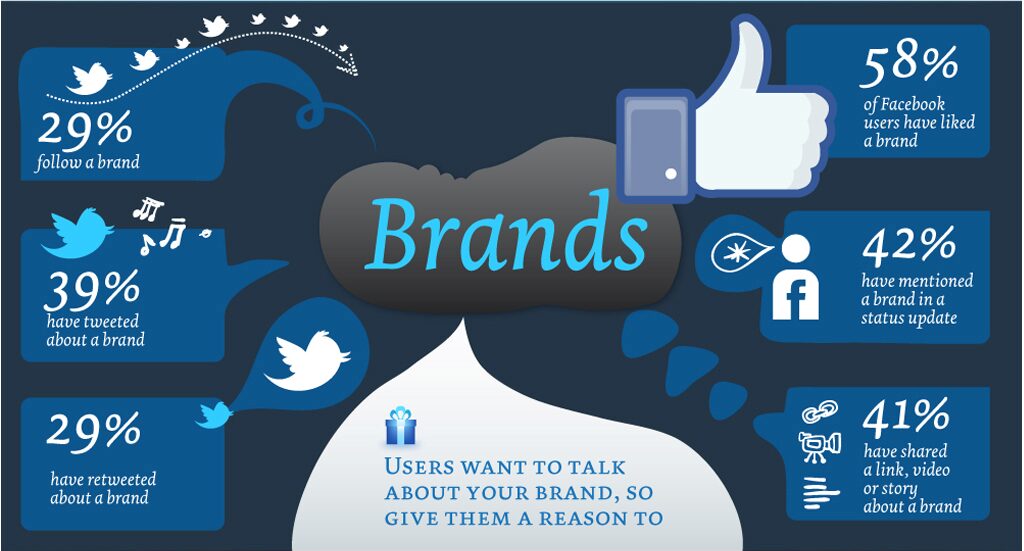
Someone’s talking about your brand right now. Maybe they’re praising your customer service or complaining about slow delivery times. These conversations shape your reputation whether you participate or not.

The smart move involves jumping into these discussions and steering them in positive directions. Social media gives businesses direct access to customer opinions and real-time feedback about what works and what doesn’t. Companies that ignore this opportunity let other people control their narrative completely.
1. Find Your Unique Business Voice
Your brand needs to sound consistent across every post, comment, and interaction. This doesn’t mean boring corporate speak that makes everyone sound identical. It means developing a personality that customers recognize immediately.
Some brands crack jokes while others share expert insights. Some stay formal and professional, while others chat like friendly neighbors. The specific approach matters less than sticking with it consistently. Customers get confused when brands change personality randomly from post to post.
2. Create Visual Identity People Remember
Before anyone reads a word, they will recognize your brand thanks to its positioning, colors, and typefaces. Consider how you can instantly identify McDonald’s golden arches or Coca-Cola red without the need for textual explanations.
This similar psychological theory can be applied by small businesses. Choose specific colors and stick with them religiously. Pick fonts that match your personality and use them everywhere. Position your logo consistently so people start associating your visual style with your business automatically.
3. Tell Stories That Actually Matter
People buy from businesses they understand and trust. Stories help create this understanding better than any list of features or benefits ever could manage.
Share why you started the business and what problems you’re trying to solve. Show customer success stories that demonstrate real value. Let people peek behind the scenes to see actual humans working to serve them well. These narratives make your business memorable and relatable.
4. Engage Like You Actually Care
Responding to comments and messages isn’t just customer service – it’s active brand building. Every interaction shapes how people perceive your business and whether they’ll recommend you to others.
Quick, helpful responses show you value customers. Thoughtful answers to questions demonstrate expertise. Professional handling of complaints proves reliability. These daily interactions often matter more than expensive advertising campaigns for building lasting customer loyalty.
- Speed shows priorities: Quick replies prove customers matter to your business
- Helpful answers build expertise: Go beyond basic responses to provide real value
- Problem-solving builds trust: Handle complaints gracefully and publicly when appropriate
5. Watch What People Say About You
Social media provides constant feedback about your brand reputation. Pay attention to comment tone, hashtag mentions, and general sentiment around your business name.
This data aids in spotting concerns before they become serious ones. Additionally, it displays the elements of your business that consumers find most appealing, allowing you to better highlight those qualities. You may stay in touch with client perceptions by conducting routine monitoring.
- Comment sentiment reveals true feelings: Look beyond likes to understand actual customer emotions
- Hashtag tracking finds brand mentions: See how people naturally discuss your business
- Competitor watching identifies opportunities: Learn from others’ successes and mistakes
The Bottom Line
Social media marketing branding is successful when sincerity and consistency are combined. Create a unique personality, tell sincere tales, engage with your community in meaningful ways, and monitor results that directly affect the performance of your business. If you run a webshop or other platform that runs with online payments, make sure you find the right high-risk merchant account processor with low processing fees so that you get the best out of you earnings.
Businesses that excel at this develop long-term bonds that can weather market downturns and competition pressure.